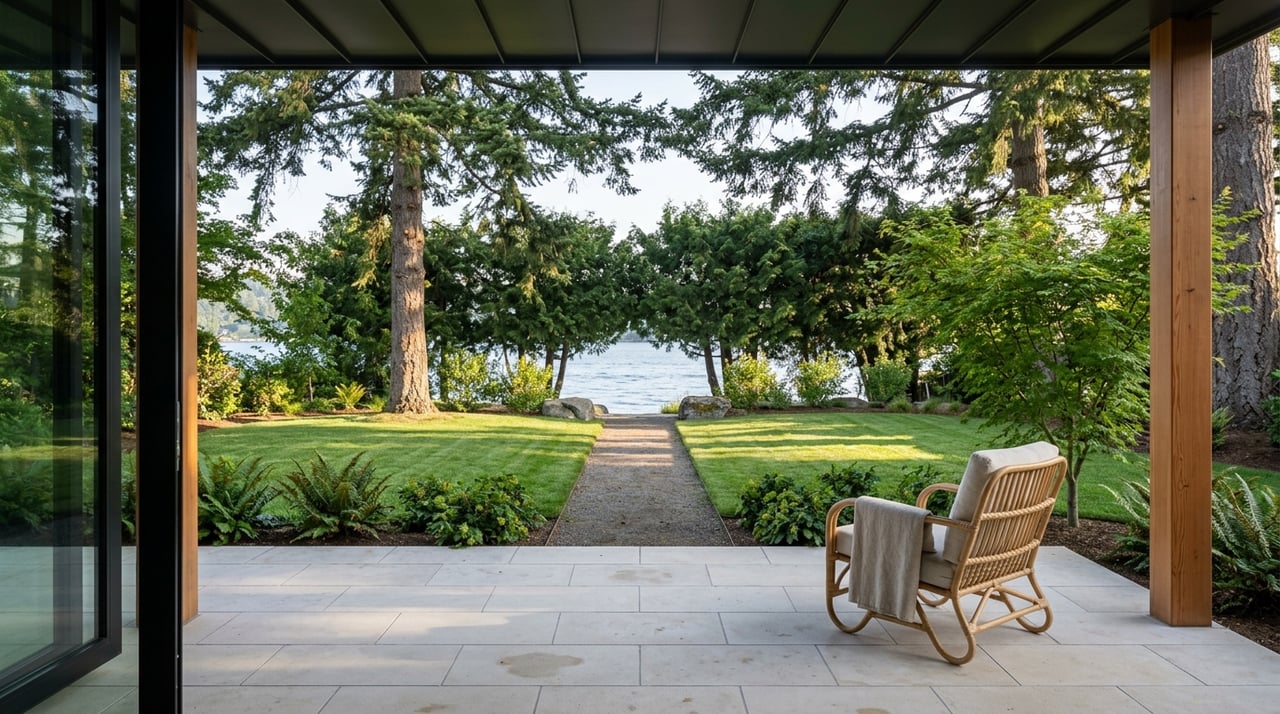
Spokane River Waterfront Homebuying Essentials
May 28, 2026
May 28, 2026
If you are shopping for Spokane River frontage in Post Falls, it is easy to fall for the view first and ask the hard questions later. That is completely understandable because riverfront property offers a lifestyle few homes can match. But along the Spokane River in the 83854 area, the details matter just as much as the scenery, and understanding them early can save you time, money, and surprises. Let’s dive in.
Not all Spokane River waterfront feels the same, even within a short stretch of shoreline. The river originates at Coeur d'Alene Lake and is regulated by Post Falls Dam, and the reach downstream of the dam is described by the USGS as free-flowing for about 16 river miles before Upriver Pool.
For you as a buyer, that means water conditions are highly location-specific. Usable depth, current, shoreline access, and recreation potential can change based on the season, dam operations, and the exact position of the parcel.
Avista also notes that water levels in the Post Falls area can change and temporary closures may happen during high water. A home that looks calm and easy to launch from on one tour day may feel very different at another time of year.
Before you focus on finishes or square footage, think about how you want to use the river. Some buyers want a quiet setting for fishing and relaxing, while others care more about boating access and active water time.
Idaho Fish and Game identifies the Spokane River in Kootenai County as recommended fishing water, and Kootenai County sets river boating limits at 35 mph during the day and 25 mph at night, with a 100-foot no-wake zone on rivers. Those rules shape the feel of the water and can influence whether a given stretch fits your goals.
Fishing regulations also differ above and below Post Falls Dam. If your ideal property includes casting from the bank, launching nearby, or spending early mornings on the water, that distinction is worth noting during your search.
A beautiful river view is important, but lot orientation can shape how a home lives every day. South-facing windows typically capture the most winter sun, while east- and west-facing glass bring strong morning or evening light and may add summer heat and glare.
That matters on waterfront homes because the best view is not always the best layout. Pay attention to which rooms face the river, where outdoor living spaces sit, and how trees affect privacy, shade, and sunlight.
A house may have a dramatic water view from one room but limited sun on the patio you plan to use most. Another may offer softer views but much better daily comfort. When you tour, think about both scenery and function.
Waterfront due diligence should start early, not after you are emotionally committed. Kootenai County's Shoreline Management Area extends 25 feet landward from the ordinary high water mark of the Spokane River, and the county flags Special Flood Hazard Area status as a separate item to verify.
If a property is in a Special Flood Hazard Area, FEMA notes that mandatory flood insurance rules apply. The key point is simple: do not assume a parcel is outside the issue because it sits higher than the water, has a retaining feature, or looks protected.
This is one of the most important parts of the process because riverfront appearance and legal risk are not the same thing. Verifying flood zone status early gives you a clearer picture of carrying costs and future planning.
On the Spokane River, frontage can be part of a platted subdivision, a condo plat, or a standalone parcel. That means lot shape, legal access, and shoreline rights can vary from one property to the next.
Kootenai County provides parcel maps, subdivision plat records, and Recorder records, and those recorded documents are the right place to verify what you are actually buying. You should not assume rights or boundaries based on a mailing address, listing language, or the fact that a home touches the river.
This becomes especially important if a property appears to have shared access, a community shoreline feature, or unusual lot dimensions. Recorded plats often answer questions that a quick showing cannot.
Some Spokane River properties are in developments with recorded covenants and association rules, and others are not. The safest way to evaluate this is as a title and records question, not as a neighborhood assumption.
If a home is in an HOA or subject to CCRs, ask for the recorded declaration, amendments, and available association documents during your review period. That is especially important if you care about docks, exterior changes, short- or long-term use plans, parking, or common-area access.
A non-HOA property may offer more flexibility, but it still may be affected by recorded easements, plats, or shoreline regulations. In other words, no riverfront home should be treated as simple just because it is outside an association.
If the property includes a dock, float, riprap, bank stabilization, or other shoreline work, it is wise to confirm what is already permitted and what may require approval in the future. In this area, the agency involved depends on the waterbody and the type of work.
Idaho Department of Lands administers encroachment permits on navigable waterways. Idaho Department of Water Resources handles stream-channel alteration permits for work in continuously flowing streams, and the U.S. Army Corps of Engineers requires permits for certain work in navigable waters or discharges of dredged or fill material.
Kootenai County Code Enforcement specifically points shoreline matters below the ordinary high water mark to those agencies, while septic and well issues are directed to Panhandle Health District. For you, the practical lesson is clear: what exists on the shoreline should be verified, not assumed to be compliant or expandable.
A riverfront home can feel wonderfully tucked away, but your day-to-day access still matters. WSDOT describes the Spokane-region I-90 corridor as a key commute route, with peak periods from 7 to 10 a.m. and 3 to 6 p.m., and it reported 68,000 hours of vehicle delay on the corridor in 2024.
ITD's ongoing I-90 and SH-41 work in Post Falls is another reason to test the drive yourself before writing an offer. If you will commute toward Spokane, head to services frequently, or host guests coming from out of town, a rush-hour test drive can reveal a lot.
Road convenience is only part of the access story. Kootenai County boating rules and launch locations also help you understand how practical the river lifestyle will be from a given address.
When you are narrowing in on a waterfront purchase, keep your due diligence focused and organized. A clear checklist helps you compare properties on more than emotion alone.
Waterfront homes ask more of a buyer than a standard residential purchase. You are not just evaluating the house. You are also evaluating the shoreline, the records, the access, the restrictions, and how the property supports the life you actually want to live there.
That is where local guidance becomes especially valuable. When you are comparing a dock-ready parcel to a view-first lot, or an HOA property to a standalone riverfront home, clear local insight can help you move with more confidence and fewer surprises.
If you are considering Spokane River frontage in Post Falls or elsewhere in Kootenai County, Corcoran-Hall & Co offers private, concierge-level guidance for buyers who want a thoughtful, well-informed approach to North Idaho waterfront property.
Stay up to date on the latest real estate trends.



Work with them for high-touch real estate service in North Idaho. Their local market mastery, proven results, and client-first approach deliver seamless, strategic transactions.