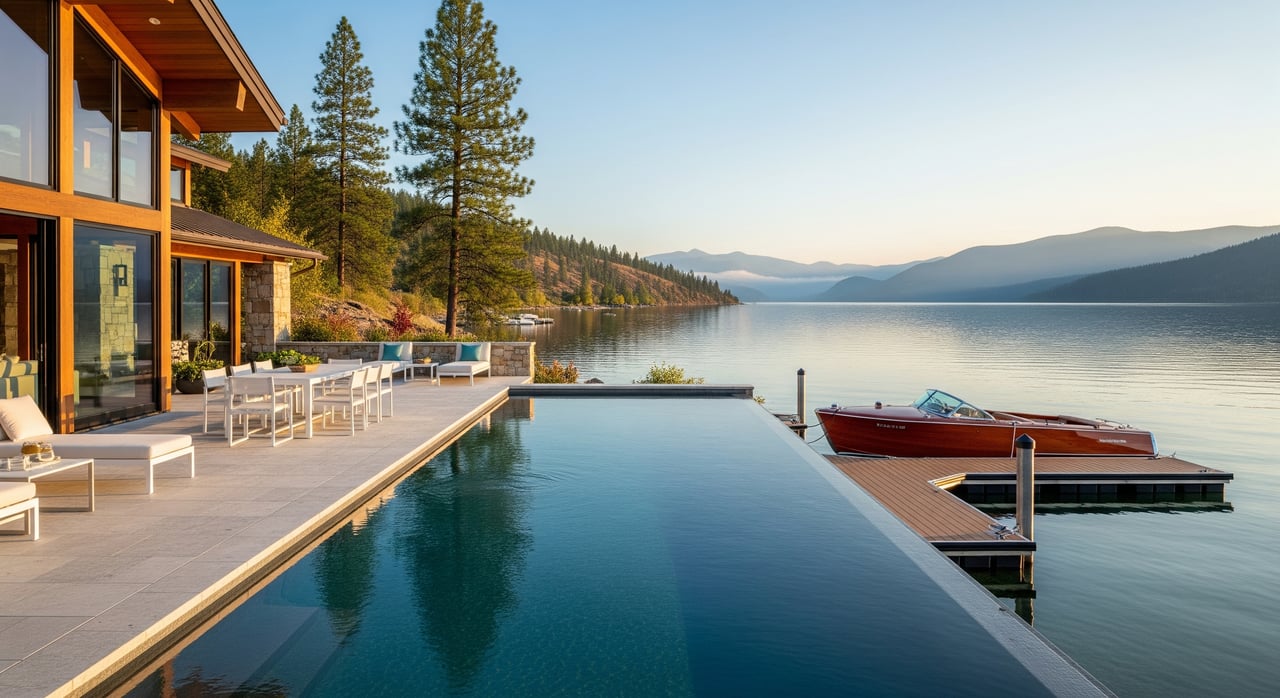
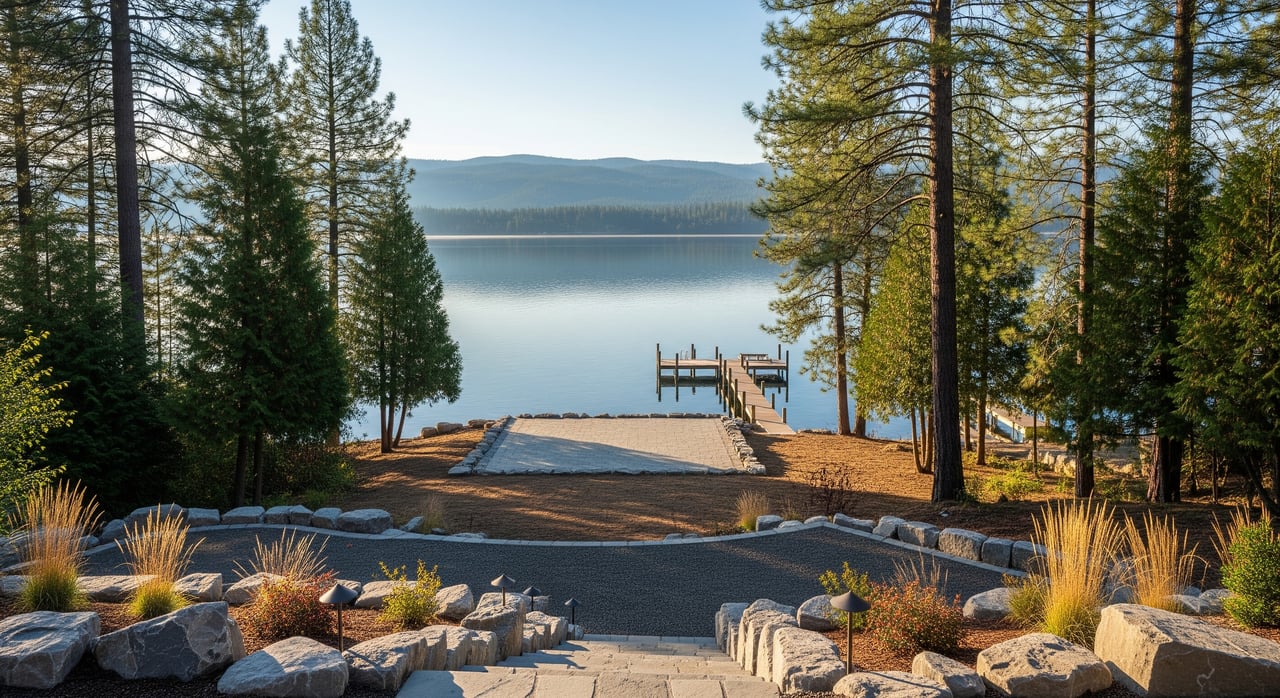
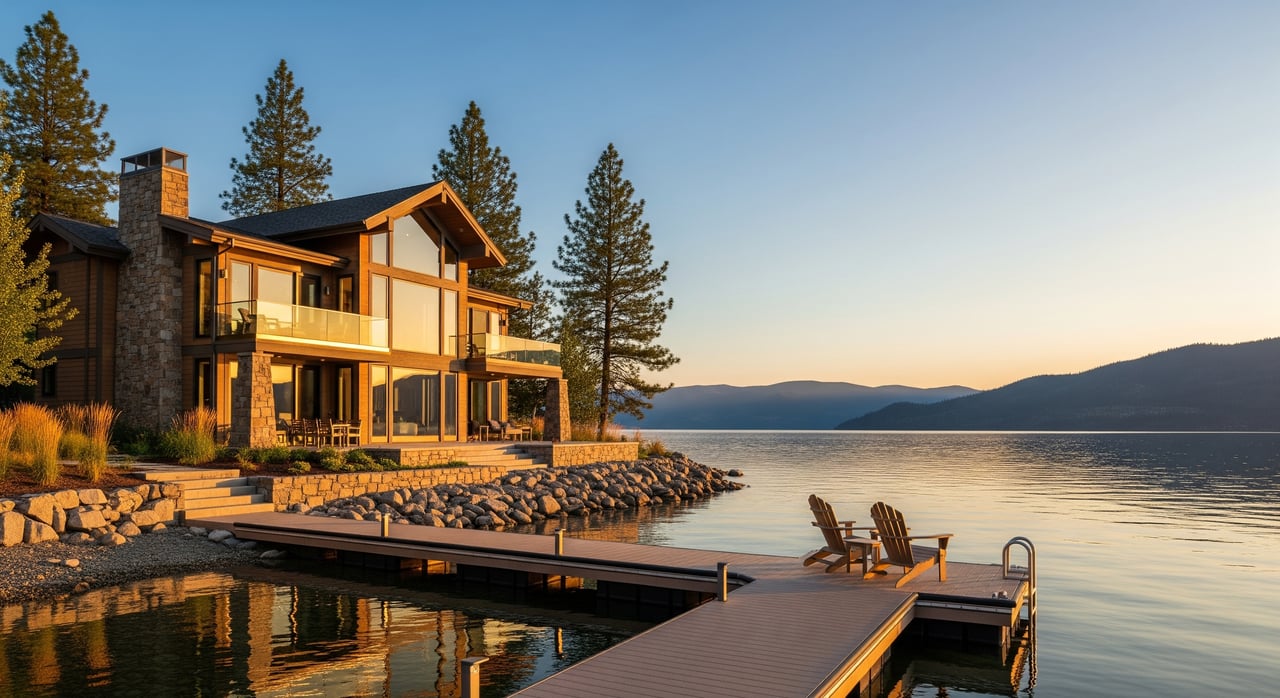
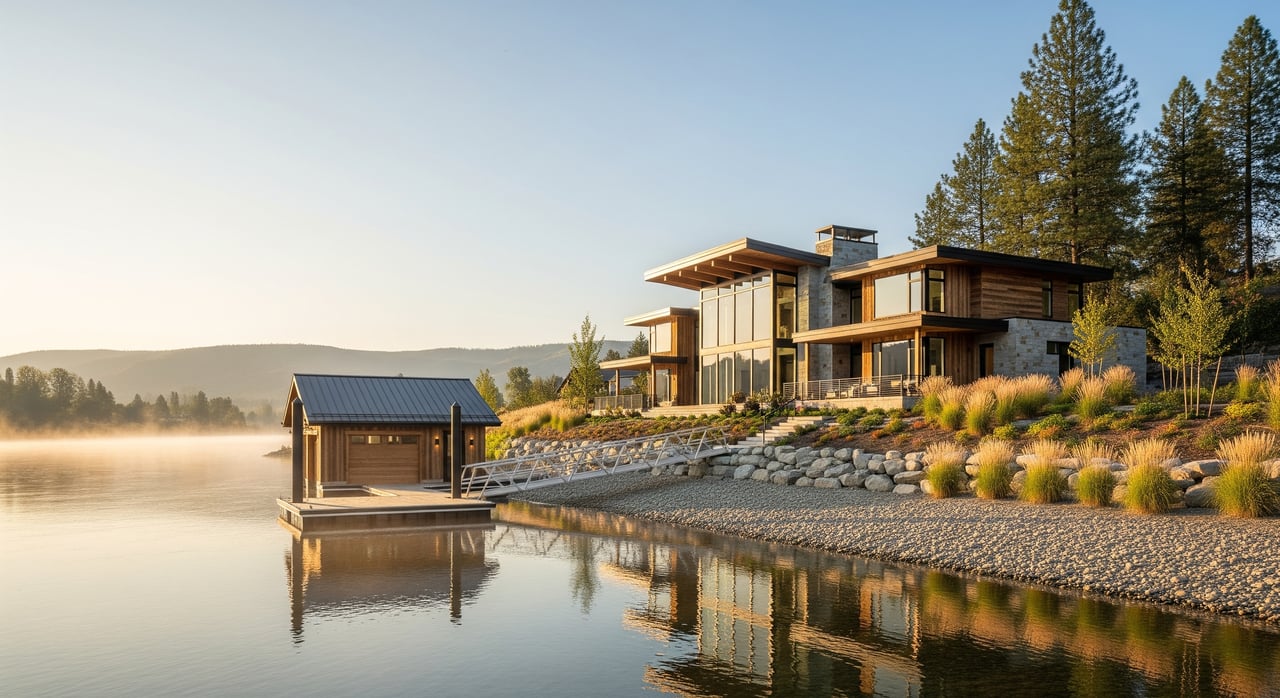
Eyeing a waterfront home on Coeur d’Alene Lake and wondering whether the dock is good to go? You’re not alone. Docks are a big part of the lifestyle here, but they also come with rules, leases, and permits that can affect your timeline and budget. In this guide, you’ll learn who regulates docks, how permits usually play out, what to verify before you write an offer, and where to start if you plan to build or modify a dock. Let’s dive in.
Why dock permits matter on Coeur d’Alene Lake
Buying a lake home in 83814 is about mornings on the water, quick launches, and easy moorage. A dock makes that possible. It also ties your property to state, federal, and local rules. If a dock is unpermitted or out of compliance, you could face delays, added costs, or limits on use.
A compliant dock does three things for you:
- Protects your access and moorage rights.
- Reduces risk of enforcement or forced changes.
- Helps preserve resale value by keeping your paperwork clean.
Who regulates docks here
Several agencies can have a say in dock design, placement, and approvals. Expect some overlap.
Idaho Department of Lands (IDL). IDL manages state-owned lakebeds and shorelands on navigable waters. Most docks that occupy the lakebed need an IDL authorization such as a lease, license, or permit. Start with the main Idaho Department of Lands site to find sovereign lands, shorelands, or lease and permit information.
U.S. Army Corps of Engineers (USACE). If your project includes pilings, fill, or work below the ordinary high-water line, federal permits under Section 10 or Section 404 may apply. Many small projects fit a Nationwide Permit, while larger projects may need an Individual Permit. See the USACE Regulatory Program and permits.
Local planning and building. Inside city limits, City of Coeur d’Alene planning and building rules apply; outside the city, Kootenai County governs. Local permits can cover gangways, stairs, setbacks, and other site improvements. Resources: Kootenai County and City of Coeur d’Alene.
Idaho Department of Fish and Game (IDFG). IDFG may review projects that affect fish habitat or spawning areas. Find general guidance at Idaho Department of Fish and Game.
Idaho Department of Environmental Quality (IDEQ) and EPA. If your project could affect water quality, stormwater, dredging, or disposal, IDEQ review may be required. Start with Idaho Department of Environmental Quality.
Coeur d’Alene Tribe. Some shoreline and submerged lands are within or near tribal areas. Projects that affect tribal interests may require consultation. Begin with the Coeur d’Alene Tribe.
Expect coordination among agencies. A typical dock can require IDL authorization, local permits, and sometimes a USACE permit.
Permit steps and realistic timelines
Every site is different, but most projects follow a similar sequence. Building in buffer time will help you plan your season.
Typical sequence
- Preliminary research. Confirm upland boundaries, the mean high-water mark, who controls the lakebed at your location, and whether existing permits or leases are on record. Plan 1 to 4 weeks.
- Design and documentation. Create a site plan and dock drawings, collect photos, and assemble surveys. Plan 2 to 6 weeks depending on designer availability.
- Pre-application coordination. A short meeting or call with IDL and local planning helps you confirm scope and submittal requirements. Plan 1 to 4 weeks to schedule and complete.
- Formal submittals. File complete applications with IDL, local planning or building, and USACE or IDEQ if required.
- Agency review and notice. Reviews may include public notice, site inspections, and revision requests.
- Final approvals and setup. Execute the lease or license, pay fees, and schedule any required inspections.
Timeline ranges to expect
- Local permits. Routine accessory permits often take a few weeks to a couple of months once plans are complete.
- IDL authorization. Simple licenses can take a few weeks; more complex leases with environmental review commonly run 1 to 6 months.
- USACE review. Nationwide Permit verification often falls in the 30 to 60 day range. Individual Permits can take 6 months or longer due to public notice and environmental review.
- Multi-agency projects. With concurrent reviews, total time can still be several months based on complexity and completeness.
Costs and conditions
Expect application fees, possible annual rent for sovereign lands leases, and insurance or bonding requirements. Fee structures vary by agency and project scope.
What slows things down
- Incomplete applications or missing survey and high-water data.
- Environmental issues such as dredging, placement of fill, or contamination review.
- Tribal consultation, archaeological findings, or fish habitat concerns.
- Public comments or neighbor disputes.
What to verify before you write an offer
A strong offer on a lake home includes dock due diligence. Use this checklist to keep your risk low.
Ask the seller for documents
- Copies of all permits, authorizations, or leases for docks, lifts, moorings, boathouses, and shoreline work from IDL, USACE, city or county, and any HOA.
- As-built drawings and surveys that show dock dimensions, pilings or anchors, and location relative to lot lines and the waterline.
- Any sovereign lands lease or license with proof of current payment and whether it can be assigned to you at closing.
- Records of inspections, violations, enforcement notices, or complaints.
- Insurance claims history for the dock or boathouse.
Confirm title, boundaries, and rights
- Verify upland boundaries and any easements or encroachments that affect access or dock placement.
- Determine if the state controls submerged lands below the mean high-water mark at your location and whether a recorded lease exists.
Inspect the physical condition
- Engage a qualified dock inspector to evaluate pilings, floats, fasteners, electrical, and lifts.
- Confirm setbacks from adjacent docks and that the structure does not obstruct navigation.
Verify with agencies
- Idaho Department of Lands. Confirm whether a current lease, license, or permit is on file and what is needed if none exists. Start with the IDL site.
- Local planning and building. Check compliance and any open issues with Kootenai County or the City of Coeur d’Alene, depending on location.
- U.S. Army Corps of Engineers. Ask if a federal permit covers the dock or if new authorization is needed. See the USACE Regulatory Program.
- Idaho Department of Fish and Game and IDEQ. Confirm if habitat or water quality reviews apply. Review IDFG and IDEQ.
- Coeur d’Alene Tribe. If near or within tribal areas, confirm if consultation is needed at the Tribe’s site.
Contract protections to include
- A permit and lease contingency that requires the seller to provide all documents and assign them if transferable. If permits are missing, spell out who will obtain them, who pays, and by when.
- A dock-specific inspection contingency for condition and code compliance.
- Title and survey endorsements that address riparian issues and any recorded sovereign lands lease.
Local nuances buyers often overlook
Coeur d’Alene Lake is unique. These local factors can impact your plans and budget.
- Mean high-water mark matters. Many owners do not own the lakebed below this line. IDL typically manages submerged lands, which is why a lease or license can be required even if the dock connects to your property.
- Older unpermitted docks exist. Agencies may allow retroactive authorizations, but you might need design changes or mitigation. Build time into your escrow for verification.
- Lease transfer and rent. Some IDL leases include assignment rules, transfer fees, rent, insurance, and long-term conditions. Get written documentation.
- Neighbor and navigation impacts. Placement can affect view corridors, access, and safety. These issues often surface during public notice and can lead to changes.
- Environmental context. Parts of the basin have historic mining contamination. While not every dock project is affected, dredging or shoreline disturbance can trigger extra review.
- HOA and private rules. Community covenants may be stricter than public agencies on size, materials, lighting, or number of slips. Request the full HOA package early.
- Seasonal water-level swings. Design and permit drawings should reflect how your dock will perform across typical water levels, including gangway length and anchoring.
Smart offer-to-close game plan
You can write a competitive offer and still protect your position. Here is a simple plan that works well for lakefront purchases.
- Pre-offer call. Have your agent contact IDL and the local planning authority to confirm what is on record for the property. Ask for any lease or permit numbers tied to the parcel.
- Document request with timelines. Ask the seller for complete dock files within a set number of days so you have time to validate or seek retroactive approvals.
- Inspection window. Schedule a dock inspection early and coordinate access for survey or photos if agencies request them.
- Clear contingencies. Keep them focused and time-bound. If missing permits are discovered, clarify who will lead the submittals and cover fees.
- Closing checklist. Confirm assignment of any sovereign lands lease, proof of rent payment, and evidence of compliance with local and federal permits.
Where to start: trusted resources
Ready to explore lakefront homes with confidence? Connect with a team that understands permits, timelines, and how to protect your buying window on Coeur d’Alene Lake. Reach out to Michaela Corcoran-Hall to Request a Private Consultation.
FAQs
Who regulates private docks on Coeur d’Alene Lake?
- Multiple agencies may be involved, including the Idaho Department of Lands for sovereign lands, local planning and building, and the U.S. Army Corps of Engineers for in-water work.
How long does a typical dock permit take in Kootenai County?
- Local permits can take a few weeks to a couple of months, IDL authorizations often run 1 to 6 months, and USACE Nationwide Permit reviews are commonly 30 to 60 days.
Do existing docks transfer automatically when I buy the home?
- Only if they are properly authorized and any required leases or permits are current and transferable; otherwise you may face retroactive permitting or changes.
What survey information do I need for a dock application?
- A recent boundary and shoreline survey showing the mean high-water mark and the dock’s relationship to lot lines is often essential.
Can neighbors block my dock plan?
- Neighbors can comment during public notice and agencies consider navigation, ecological, and public interest impacts, which can lead to design changes.
Who pays sovereign lands rent for a dock lease?
- Typically the upland owner or leaseholder pays any required rent or fees; confirm payment status and assignment terms during escrow.