Lakefront vs. Riverfront in North Idaho: Key Differences
December 11, 2025
December 11, 2025
Thinking about buying on the water in Post Falls but not sure whether lakefront or riverfront fits you best? It is a big decision that shapes your day-to-day lifestyle, boating options, and long-term maintenance. In this guide, you will compare Coeur d’Alene Lake and the Spokane River in clear, practical terms so you can choose with confidence. Let’s dive in.
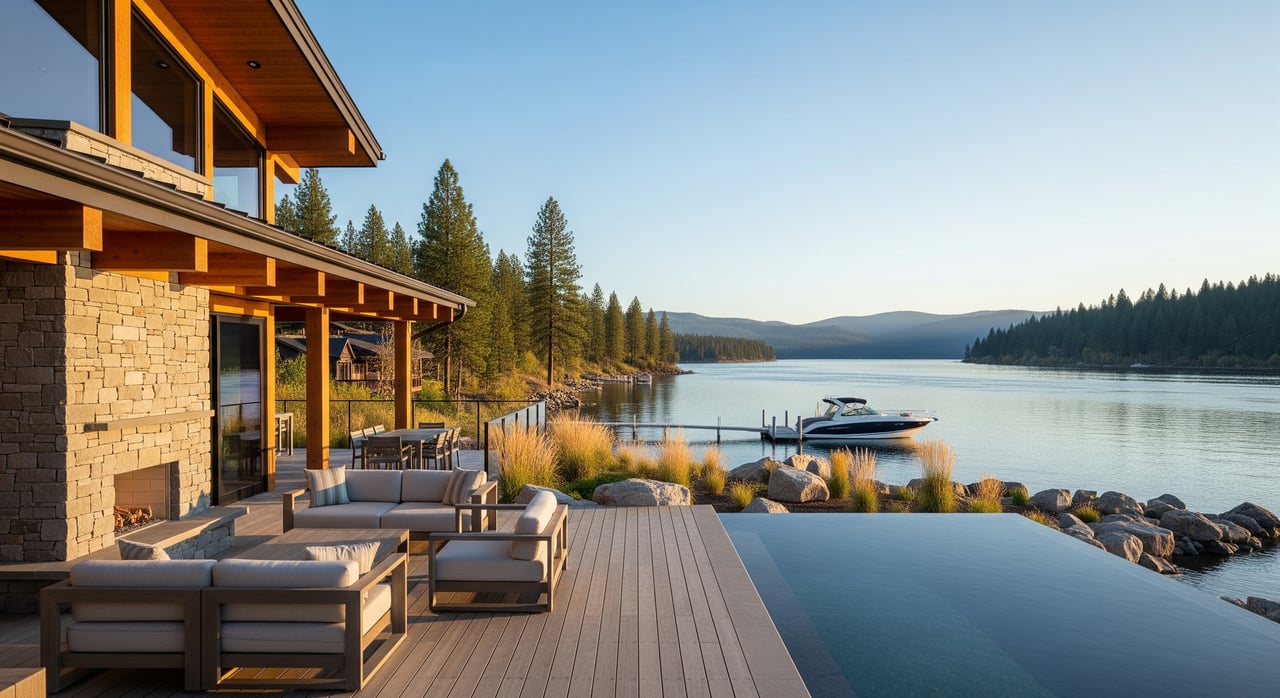
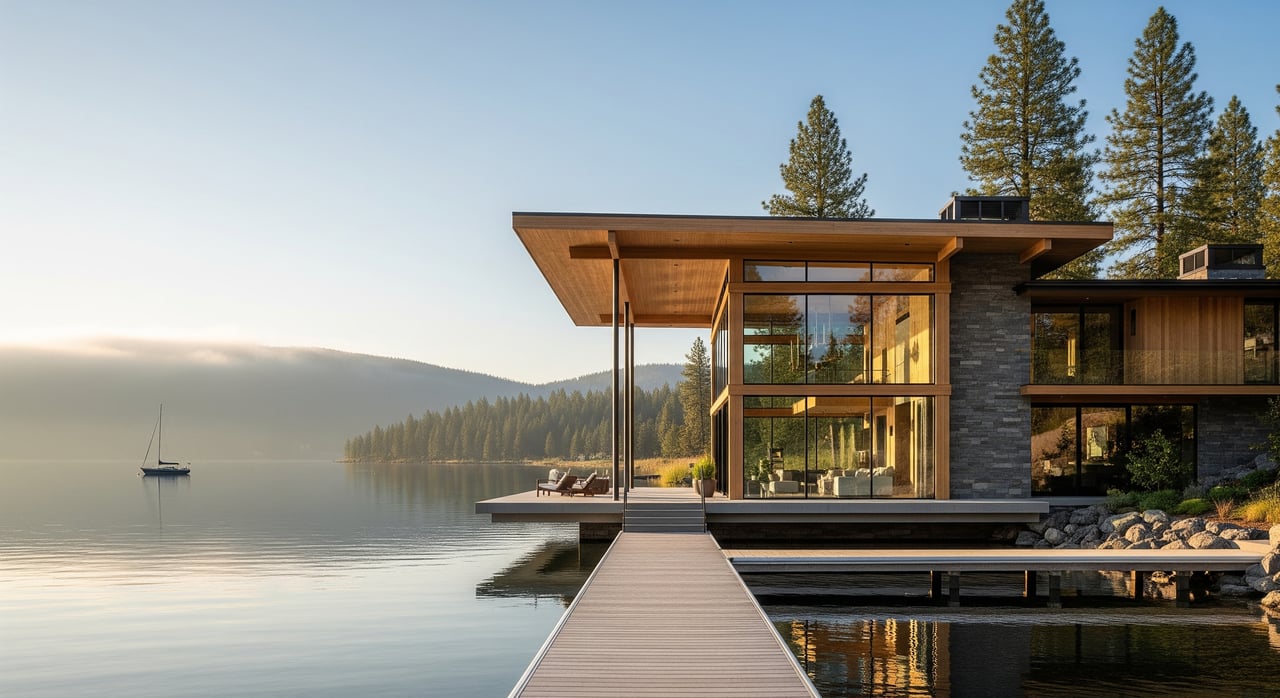
If you want wide-open water and long sightlines, lakefront on Coeur d’Alene Lake delivers. The lake is large and relatively deep, which supports expansive views and big-water recreation. Many lake parcels feature coves or peninsulas and often have broader shoreline frontage.
Riverfront along the Spokane River in Post Falls is more linear and varied. Channels narrow and bend, with a true current you will feel when docking, swimming, or paddling. Lots can be smaller and sit close to public parks or trails in select stretches, creating a more connected neighborhood feel.
Typical property mix differs too. Lakefront areas tend to feature single-family waterfront homes, custom builds, and seasonal cabins with private docks or HOA-managed slips. Riverfront in town includes single-family homes on narrower frontage as well as some townhouse or condo developments near the water.
On the lake, you can run larger powerboats, ski or wake boats, pontoons, and cabin cruisers. Open basins make room for higher-speed activities, with no-wake zones near marinas, docks, narrow channels, and sensitive shorelines.
The river suits smaller powerboats, runabouts, jet-skis, kayaks, paddleboards, and fishing boats. In wider, deeper reaches, larger boats can operate, but speed and maneuvering are naturally constrained by the channel and current. Residential segments, bridges, launches, and hazards often carry slow-speed or no-wake restrictions.
Rules are set and enforced by state and local authorities, and you must follow all posted signs. On both the lake and river you will see marine patrols and neighbors who care about wake and safety. Expect closer wake impacts on the river since docks and shorelines sit tighter to the boating lane.
The lake’s large volume buffers short-term water-level changes. Seasonal shifts occur, especially between spring runoff and late summer, but daily swings are generally modest. Many lake docks are designed to handle this seasonal pattern.
River levels can change faster. Runoff, storms, and upstream hydropower operations can create daily or even hourly fluctuations near dams. If you buy on the river, plan for a dock and lift system that handles a wider range of water levels and stay alert to local flow and stage notices.
Currents and shallows on the river also matter for docking and swimming. Check usable draft near the shoreline and ramps at different times of year. If your primary boating is a deeper-draft vessel, vet the specific parcel’s water depth and approach.
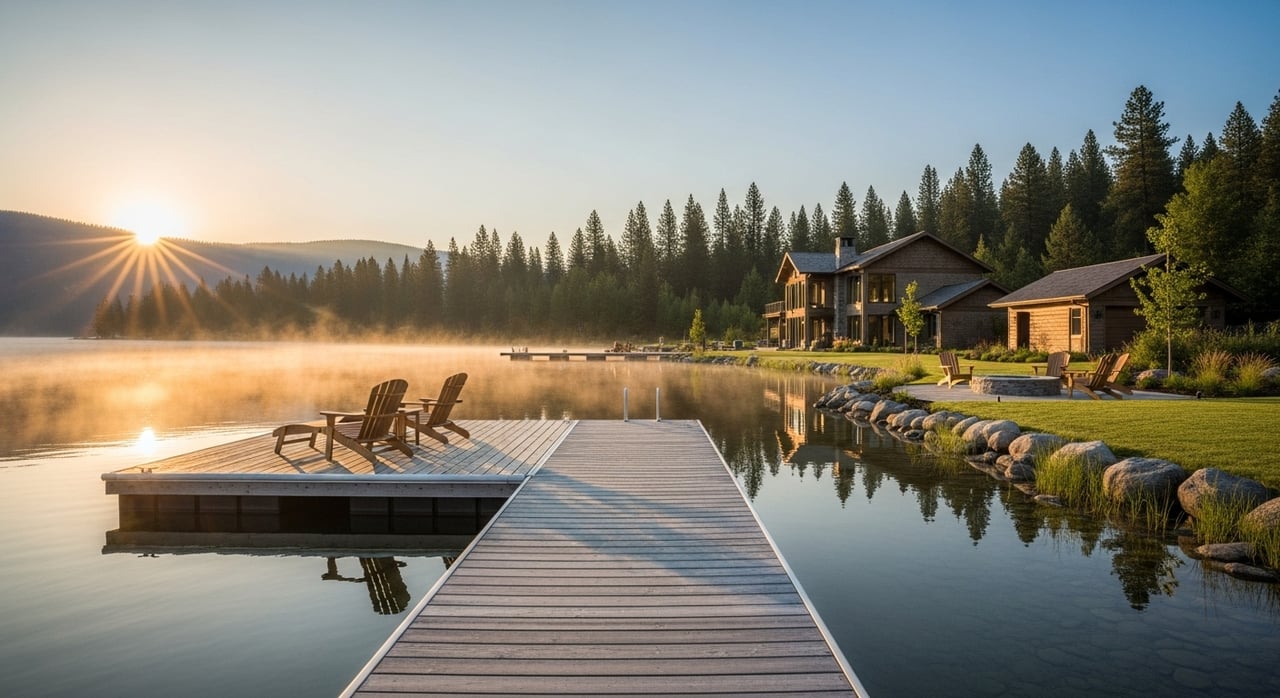
Shoreline orientation shapes how your home and dock feel throughout the day. East-facing lakefront brings calm morning light over the water and cooler afternoons, while west-facing shores offer dramatic sunsets and warmer evenings. On the river, the corridor can be more shaded due to trees, bluffs, and the narrower channel.
Local topography is a big factor. Steep banks, dense trees, and neighboring structures affect how much sun reaches your patio or dock. If sun exposure is a priority, visit the property at different times and seasons before you write an offer.
Seasonality varies as well. Summer weekends on the lake can be lively with boats, lake cruises, and shoreline events. Riverfront can be quieter overall, with activity concentrating near public launches or city parks.
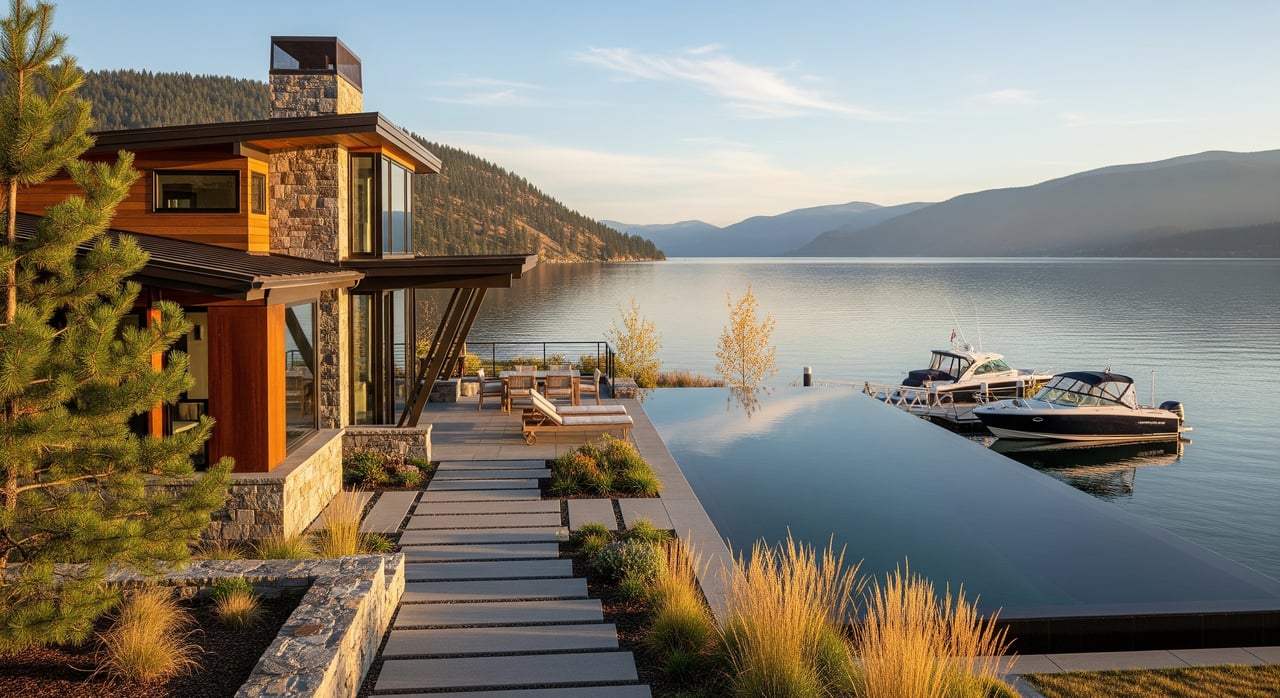
Lakeside living often includes marinas, larger private docks, boat rentals, and tourism-focused businesses. You will enjoy expansive water runs, a broader mix of boating, and iconic views across the basins.
Riverfront living in Post Falls can place you closer to in-town amenities. Depending on the parcel, you may be near parks, the Centennial Trail, and downtown services while still enjoying water access. This blend can be ideal if you value quick trips to coffee, dining, or community events.
Think about your daily rhythm. If you prize long cruises and big-water sports, the lake is a strong match. If you value paddling at sunrise, quick fishing sessions, and easy access to town, riverfront can be a great fit.
Waterfront does not automatically equal dock rights. Verify recorded riparian rights, any easements that cross the shoreline, and HOA rules that govern dock use or slip assignments. New or modified docks typically require permits from city or county agencies and must follow state environmental standards.
Flood risk is a key due diligence item. Riverfront parcels are more likely to sit in FEMA-mapped flood zones, where flood insurance may be required or strongly advised. Lakefront can also face high-water events, so confirm both FEMA mapping and local floodplain designations.
Erosion and stabilization differ by shoreline. Riverbanks may experience undercutting or sloughing with fluctuating flows, while lakefront can see wave-driven erosion from wind and wakes. Many jurisdictions limit hard armoring and prefer engineered or soft-shoreline solutions.
Utilities and septic vary by location. Riverfront parcels near town are more likely to have municipal services. More remote lakefront can rely on wells and septic systems, which adds inspection, maintenance, and capacity considerations.
Across North Idaho, lakefront often carries a premium due to scarcity, scale of views, and recreation value. Riverfront values vary widely based on frontage, access, depth, and proximity to services. In some markets, lakefront premiums can be more resilient in downturns, but local comps are essential.
Anchor your budget with recent, hyper-local data. Micro-neighborhoods on both the lake and river can price differently based on orientation, shoreline type, and permitted dock structures. Review comparable sales and active competition before you finalize your offer strategy.
Choose Coeur d’Alene Lake if you want big-water boating, sweeping views, and a resort-style feel. Choose the Spokane River if you prefer an intimate setting, easy access to Post Falls amenities, and a paddling-and-fishing lifestyle. Both offer incredible North Idaho living, just with different rhythms.
If you want a calm, expert partner to help you weigh tradeoffs by parcel and micro-neighborhood, we can help. Request a Private Consultation with Michaela Corcoran-Hall to compare options, confirm rights and permits, and move forward with confidence.
Stay up to date on the latest real estate trends.
Buying on Coeur d’Alene Lake comes with its own vocabulary.
What will you actually pay to close on a home in Coeur d’Alene?

Head to the Red Barn to experience Gozzer Ranch’s world-class fitness facility.
Work with them for high-touch real estate service in North Idaho. Their local market mastery, proven results, and client-first approach deliver seamless, strategic transactions.