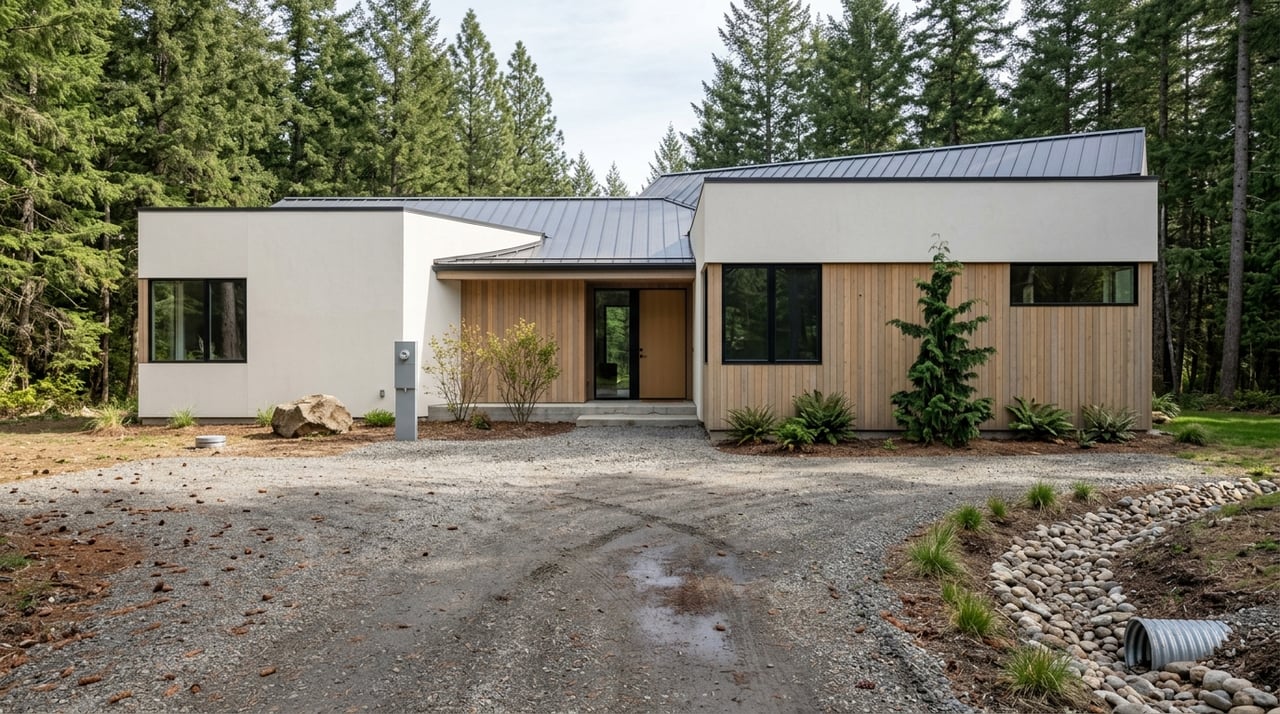
Buying Acreage Near Coeur d'Alene: What To Know
April 2, 2026
April 2, 2026
If you are dreaming about more space near Coeur d'Alene, acreage can offer privacy, flexibility, and a very different lifestyle than an in-town lot. It can also come with more moving parts, from wells and septic systems to access easements and zoning rules that are easy to miss if you only look at the listing. The good news is that with the right due diligence, you can buy with more confidence and fewer surprises. Let’s dive in.
One of the first things to confirm is whether the property is inside Coeur d'Alene city limits, within the city’s Area of Impact, or fully rural and unincorporated. That distinction affects which rules may apply and what services you can expect.
According to Kootenai County’s Areas of Impact information, Coeur d'Alene has an adopted Area of Impact, and county subdivision regulations still apply within the Coeur d'Alene AOI outside city limits. If a parcel is inside the city, utility billing may include water, sewer, garbage, streetlights, and stormwater. That is why you should confirm actual service availability instead of assuming a larger parcel functions like a standard city lot.
Acreage near Coeur d'Alene often looks straightforward on paper. In reality, two parcels with similar size can have very different build potential depending on legal access, utility setup, recorded documents, and site conditions.
Before you rely on a listing description, it helps to review public records directly. Kootenai County’s public access portal and land records tools can help you check parcel maps, ownership, tax information, surveys, and recorded documents tied to the property.
If the property is not connected to a public water system, a private well may be part of the equation. That matters because private wells in Idaho are not regulated under the Safe Drinking Water Act the same way public systems are, so the owner is responsible for water safety.
The Idaho Department of Water Resources requires a drilling permit before a well is drilled and requires construction by a licensed Idaho well driller. Idaho Health and Welfare also recommends testing private well water once a year for bacteria and nitrates, and every three to five years for other contaminants. For you as a buyer, the practical move is simple: ask for the well log and any recent water test results before you treat the property as ready to use or build on.
Many acreage properties outside city service areas rely on septic systems. A septic system is not just a box to check. Its location, permit status, condition, and suitability for the site all matter.
The Idaho Department of Environmental Quality septic guidance explains that local public health districts permit and inspect septic systems and can perform site evaluations to determine suitability. In Kootenai County, Panhandle Health District does not grant septic permits until plot plan issues are addressed, and permits are valid for one year. Guidance also recommends placing septic systems at least 100 feet from the well and downhill from it, with pumping or service every two to three years.
This issue is especially important in North Idaho because the Rathdrum Prairie Aquifer is a primary or sole source of drinking water for much of the region. County and state materials note that septic discharge, runoff, and other contaminants can affect groundwater quality.
For acreage buyers, that means you should think beyond the house site itself. Ask for the septic permit, well records, and recent testing, and pay attention to surrounding land uses and drainage patterns before assuming a parcel is low risk.
A driveway on the ground does not always mean legal, compliant access on paper. This is one of the most common places where buyers can run into trouble with rural and semi-rural land.
Kootenai County rules require each residential lot to have access from a public or private road that meets county standards. The county code also states that utility easements must be at least 10 feet wide, private road easements at least 60 feet, and common driveway easements at least 40 feet, with new lots needing frontage and direct access onto a qualifying road or common driveway that meets county standards, as outlined in the county access and subdivision regulations.
That is why you should verify recorded easements, road maintenance responsibility, frontage, and whether the access layout complies with county requirements. A parcel can appear wide open on a map and still be difficult to finance, develop, or improve if access is not set up correctly.
If the parcel is near Highway 41, access can become even more specific. In the county’s Highway 41 access overlay zone, new subdivisions cannot create new common driveways or private roads directly onto Highway 41, and new approaches may require approval from the Idaho Transportation Department or the highway district.
The county code also notes that common driveways can be limited to no more than four lots or parcels under certain rules in the Highway 41 overlay regulations. If you are buying for future flexibility, this is an area worth reviewing carefully before you assume the land can be split or improved later.
Acreage buyers often think in two time frames: what the land supports today and what it might support in the future. Zoning is central to both.
Kootenai County’s zoning code states that the Rural Zone has a minimum lot size of five acres and at least 75 feet of street frontage. The Agricultural Zone also requires five acres for parcels created on or after January 3, 1973. If the property is near city limits, AOI rules may add another layer of review.
This is one reason acreage should never be evaluated by size alone. If you care about a shop, an accessory structure, future division potential, or other long-term use, confirm what the zoning and subdivision framework actually allows.
Even when zoning appears favorable, recorded covenants and plat restrictions can shape what you can do with the land. These documents may affect building design, accessory improvements, land use, or future changes.
Kootenai County’s land use code requires subdivision approvals to include documents such as conservation easements, restrictive covenants, and HOA bylaws or articles of incorporation, as described in the county land use and development code. You can also use the county’s recording resources to help track down plats, easements, and recorded documents tied to a parcel.
For you, the takeaway is simple: do not assume flexibility until the recorded documents back it up. Zoning tells part of the story, but the recorded record often fills in the rest.
Buying acreage is not only about the closing. It is also about how you will maintain the property over time.
Idaho private well guidance recommends regular testing and careful wellhead protection, plus keeping maintenance records. The same guidance notes septic systems should be serviced every two to three years, which you can review in the state private well guidance. If you are used to city services, these ongoing responsibilities can be one of the biggest lifestyle adjustments.
Larger parcels can also come with natural-site considerations that are easy to overlook during a showing. Two of the big ones are flood exposure and wildfire mitigation.
Kootenai County advises owners in the Special Flood Hazard Area, or anyone considering development there, to review flood hazard information and insurance options. County materials also reference wildfire mitigation resources, including the local FireSmart program in the wildland-urban interface. Before you close, it is wise to understand whether the parcel may need ongoing mitigation, insurance review, or a more detailed development plan.
If you want a practical way to narrow risk, focus on these items early in your search:
Acreage purchases can be rewarding, but they often involve more variables than a typical residential purchase. What looks simple online may need a closer review of records, permits, access, utilities, and land-use rules.
That is where experienced local guidance can make a real difference. If you are considering acreage near Coeur d'Alene, Corcoran-Hall & Co can help you evaluate the details that matter so you can move forward with more clarity and confidence.
Stay up to date on the latest real estate trends.

Work with them for high-touch real estate service in North Idaho. Their local market mastery, proven results, and client-first approach deliver seamless, strategic transactions.