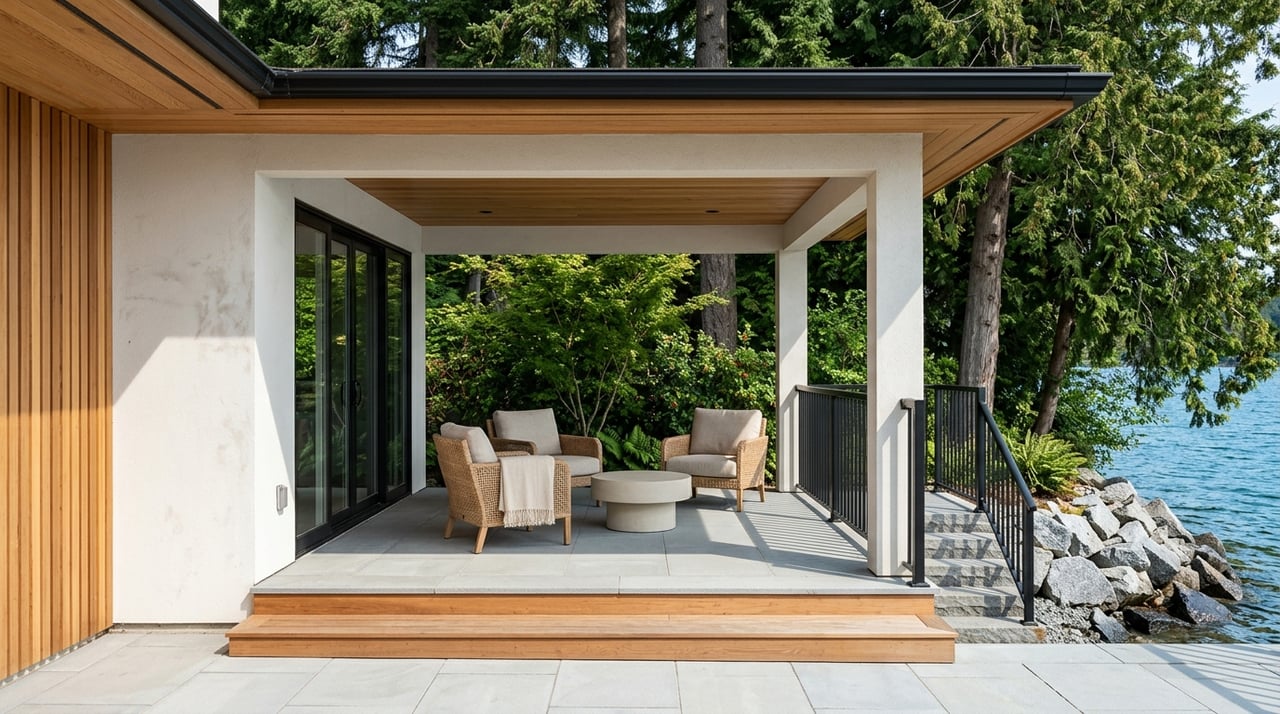
Summer on Coeur d’Alene Lake: Communities & Lifestyle
April 16, 2026
April 16, 2026
If summer in Coeur d’Alene feels different, that is because the lake shapes almost everything. Your mornings can start with a shoreline walk, your afternoon can include a launch or a swim, and your evening can end with dinner by the water. If you are exploring where to spend time, buy, or settle near the lake, understanding how each part of Lake Coeur d’Alene lives in summer can help you picture the right fit. Let’s dive in.
Lake Coeur d’Alene is not just a scenic backdrop. According to the U.S. Geological Survey, the lake spans about 50 square miles at full summer pool, has roughly 135 miles of shoreline, and stretches about 22 miles from north to south. Much of that shoreline includes campgrounds, marinas, and seasonal summer homes, which helps explain why daily life here often revolves around the water.
That pattern carries through public recreation as well. The Bureau of Land Management describes Lake Coeur d’Alene as a year-round destination for boating, fishing, camping, hiking, picnicking, water sports, and wildlife viewing, and notes that the best way to see it is by boat. In summer, that is especially true.
For many people in 83814, summer starts downtown and along the north shore. This part of the city gives you one of the easiest combinations of public waterfront access, walkability, and activity. If you want a lake lifestyle without needing to drive far for every outing, this area sets the tone.
The City of Coeur d’Alene says its parks system includes four city-owned docks, six beach areas, and 22 miles of shared-use paths. That makes it simple to move between downtown, the waterfront, and nearby parks on foot or by bike.
Tubbs Hill is one of the clearest examples of how outdoor space defines summer here. The city describes it as a 165-acre natural area bordered by Lake Coeur d’Alene on three sides, with several miles of trails and multiple sandy beaches. If your ideal day includes hiking, swimming, and being close to downtown all at once, this is a key landmark.
Independence Point connects the downtown lakefront to a long list of summer activities. The city notes a beach, swim area, benches, water features, and access to tour boats, seaplanes, parasailing, and other aquatic equipment. It is one of the most active and visible parts of the shoreline.
Nearby, City Park adds another layer to downtown summer life with a swim beach, outdoor shower, volleyball and basketball courts, restrooms, Fort Sherman Playground, and a summer concert series. For many households, this area supports a routine that feels active and easy without leaving town.
If you want a more polished, hospitality-driven lake experience, the downtown resort district offers that too. Lake Coeur d’Alene Cruises run daily from April 1 through October 31 and board at Independence Point, making lake travel part of the downtown rhythm.
Dining also leans into the waterfront setting. Dockside at The Coeur d’Alene Resort centers on lake views, giving downtown a blend of public access and resort atmosphere that is hard to replicate elsewhere around the lake.
One of the most practical questions in summer is simple: where can you actually get on the water? Around Coeur d’Alene, public access varies by location, and that can shape how convenient lake life feels from one area to another.
The Third Street Boat Ramp and Mooring Dock is one of the strongest public access points in the downtown zone. The city lists launch and moorage facilities there and also notes that Idaho vessels need an invasive species sticker before launching or operating on Idaho waterways. If boating is part of your regular routine, details like this matter.
Outside the downtown core, the lake opens up into a broader network of public shoreline sites. The Blackwell Island Recreation Site offers four accessible launch lanes and 130 trailer spaces, while nearby public-land areas provide a different pace.
The research also points to several useful east and south lake access areas, including Mineral Ridge, Blue Creek Bay, Beauty Bay, Mica Bay, and Windy Bay. These names come up often because they represent distinct summer patterns, from trail access and smaller launches to boat-in camping and quieter day use.
Summer on Lake Coeur d’Alene is not one single lifestyle. Some areas are closely tied to public beaches and downtown activity, while others center on private clubs, marinas, golf, and residential retreat. If you are comparing communities, that distinction is important.
The Coeur d’Alene Resort Golf Course is one of the lake’s signature amenities. The resort says golfers arrive by mahogany water taxi, and the course is known for its Floating Green, lakefront practice tees, and forecaddie service. It is a strong example of how recreation and presentation intersect on this lake.
If you prefer a public option, the Coeur d’Alene Golf Club describes itself as the first public golf course in Kootenai County, with an 18-hole par-72 course and a full-service bar and grill. That gives the area a more accessible golf anchor just a few miles from the lakefront core.
Several communities around the lake are built around a private club lifestyle. Black Rock overlooks Lake Coeur d’Alene and includes a marina in Rockford Bay with 130 slips, a fuel dock, guest docking, a convenience store, and Shooters Bar & Grill.
Gozzer Ranch is described by the club as a 700-acre private community overlooking the lake, with custom homesites and other residential options. CDA National Reserve presents another version of private lake living, with its lifestyle page highlighting a Lakehouse, private beach access, paddleboarding, wakesurfing, a floating water park, and StanCraft boat cruises.
These communities appeal to buyers who want lake access paired with golf, marina amenities, or a more private summer routine. The day-to-day feel is very different from living near downtown beaches and public docks.
As you move farther south, summer on the lake often feels quieter and more spread out. The shoreline becomes less urban, and the experience leans more toward marina access, parks, and scenic drives.
Conkling Marina & Resort in Worley is one example of a summer marina base, while Heyburn State Park helps frame the southern end around boating, swimming, camping, and launch access. This part of the lake can feel more destination-oriented and less centered on daily downtown activity.
The Lake Coeur d’Alene Scenic Byway adds another helpful lens. Visit North Idaho describes it as a 35.8-mile drive following the eastern shoreline to Harrison. That makes Harrison feel connected to the lake through a scenic, small-town pattern rather than the urban waterfront energy of Coeur d’Alene.
One of the simplest ways to think about Lake Coeur d’Alene is this: your location changes your rhythm. That is true whether you are visiting for the season, relocating full time, or searching for a second home.
A downtown Coeur d’Alene address in 83814 can mean faster access to city beaches, Tubbs Hill, the resort district, and lake cruises. A home closer to Rockford Bay or a private club community can point toward marina time, golf, and more private residential amenities. Farther south, the lifestyle often feels quieter, with more emphasis on parks, marinas, and longer shoreline drives.
That is why summer here is best understood by community and access pattern, not just by lake frontage. The right fit depends on whether you want walkable waterfront activity, club-based recreation, or a more relaxed shoreline setting.
If you are considering a move, second-home purchase, or lifestyle property near the lake, working with a team that understands how these routines translate into real estate can make the process far more focused. Corcoran-Hall & Co offers concierge, relationship-driven guidance for buyers and sellers across Coeur d’Alene, lakefront communities, golf neighborhoods, and other North Idaho lifestyle properties.
Stay up to date on the latest real estate trends.
Work with them for high-touch real estate service in North Idaho. Their local market mastery, proven results, and client-first approach deliver seamless, strategic transactions.